Engineering Simulation Solutions
Methods
 Computational FluidDynamics
 Discrete Event Simulations
 Artificial Intelligence

Applications
Every project is tailored. See how a typical project runs →
Methods
Finite Element Methods
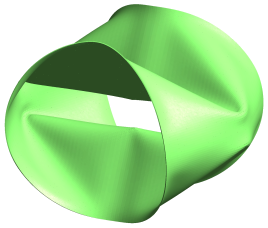
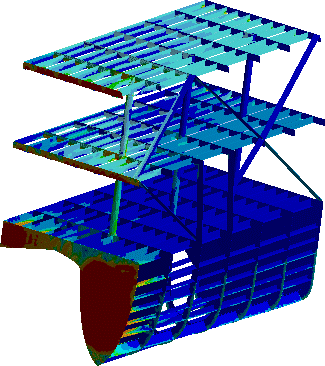
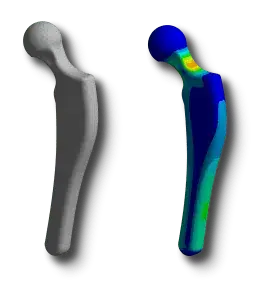
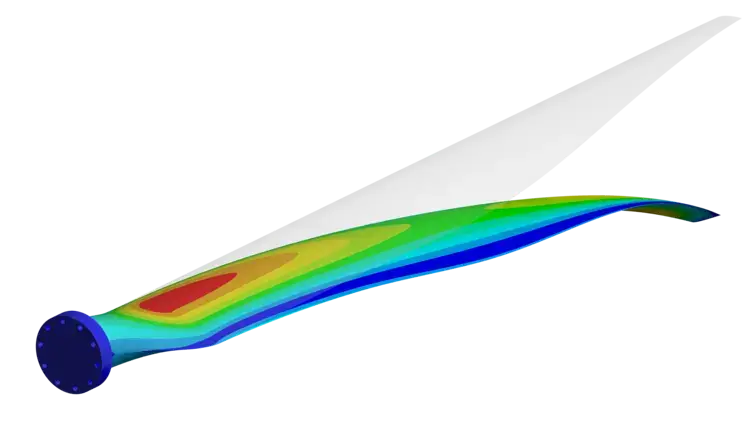
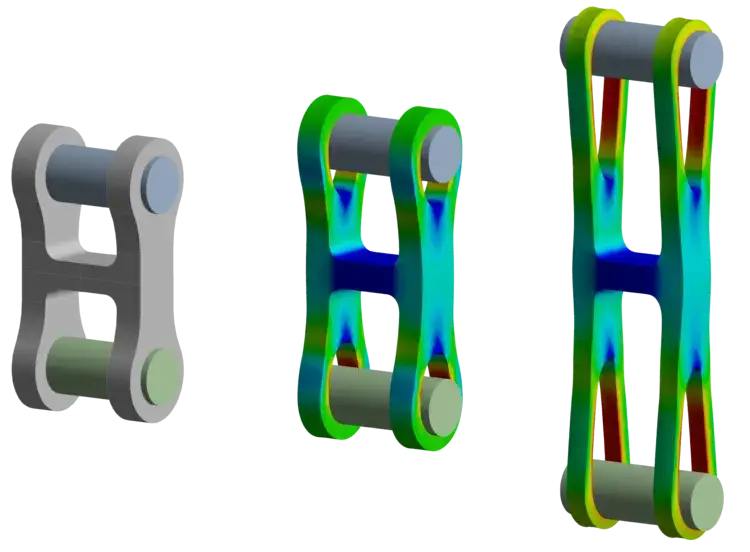
Finite Element Methods provide a rigorous numerical framework for understanding how complex structures respond to loads, constraints, materials, and operating conditions. At deepmath, FEM is approached not only as an analysis method, but as a foundation for reliable engineering workflows involving structural integrity, coupled physics, automation, and custom numerical development. By combining robust mathematical modeling with scripted and tailored simulation processes, FEM can support faster assessment of critical components and systems where safety, performance, and design confidence are essential.
Methods
Computational Fluid Dynamics
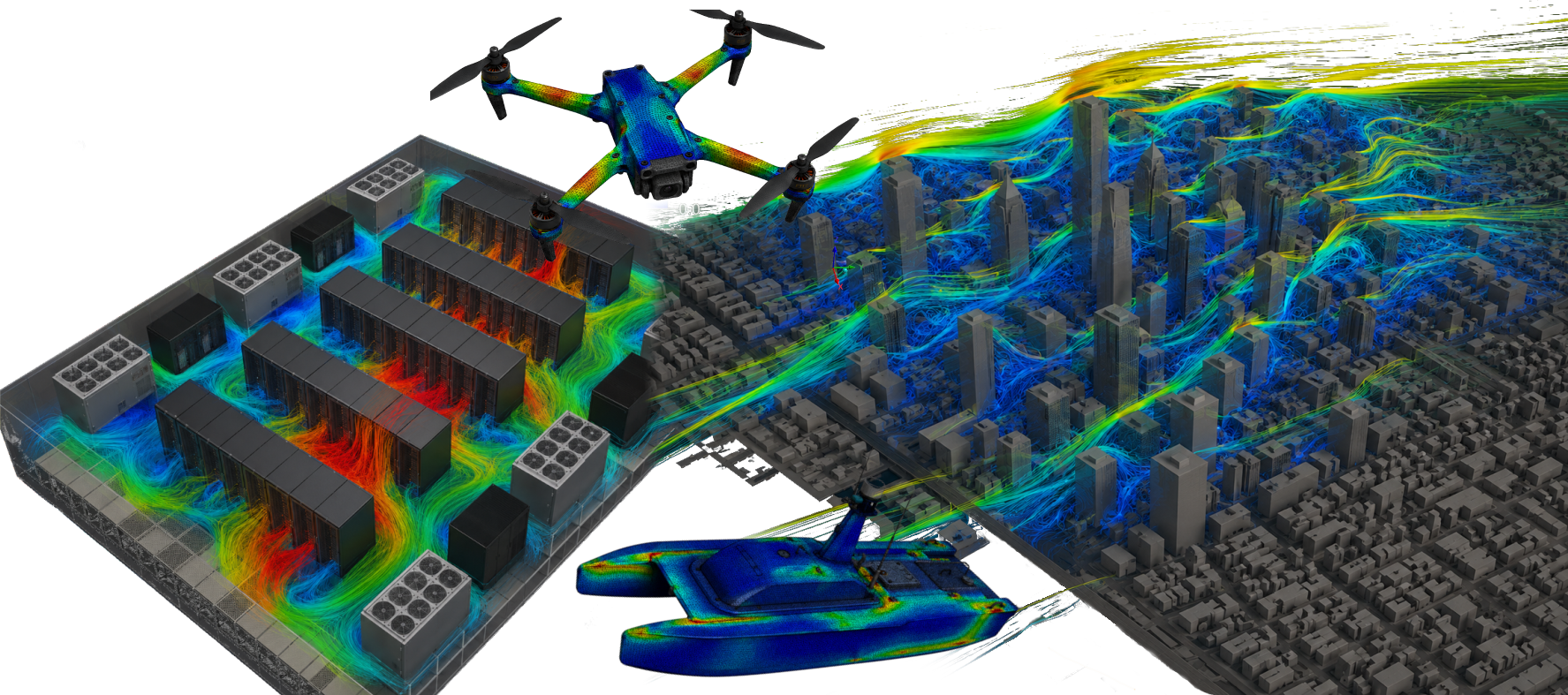
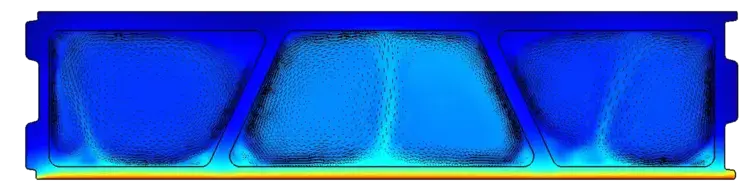
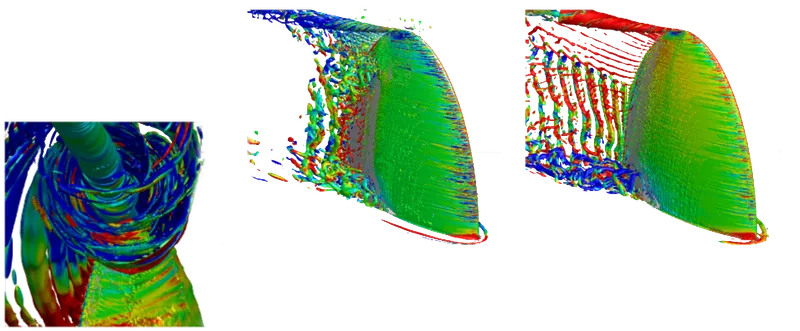
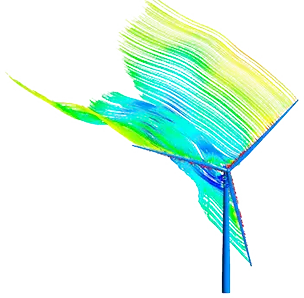
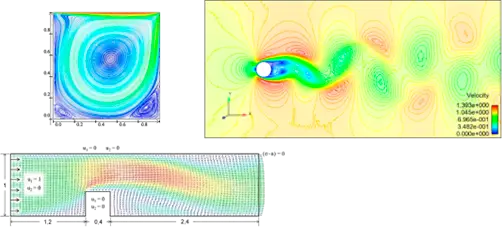
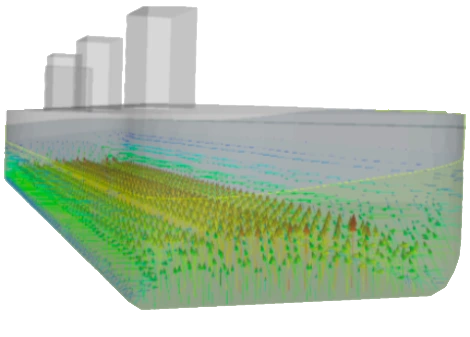
Computational Fluid Dynamics enables engineers to study flow behavior that is difficult to capture through analytical models or physical testing alone. At deepmath, CFD is used as a high-fidelity source of physical insight for complex fluid, thermal, hydrodynamic, and coupled flow problems. It supports detailed understanding of pressure, velocity, turbulence, free-surface effects, and fluid-structure interaction, while also helping calibrate faster models and guide design decisions. The value of CFD lies not only in simulation accuracy, but in turning complex flow phenomena into practical engineering evidence.
Methods
Discrete Event Simulations
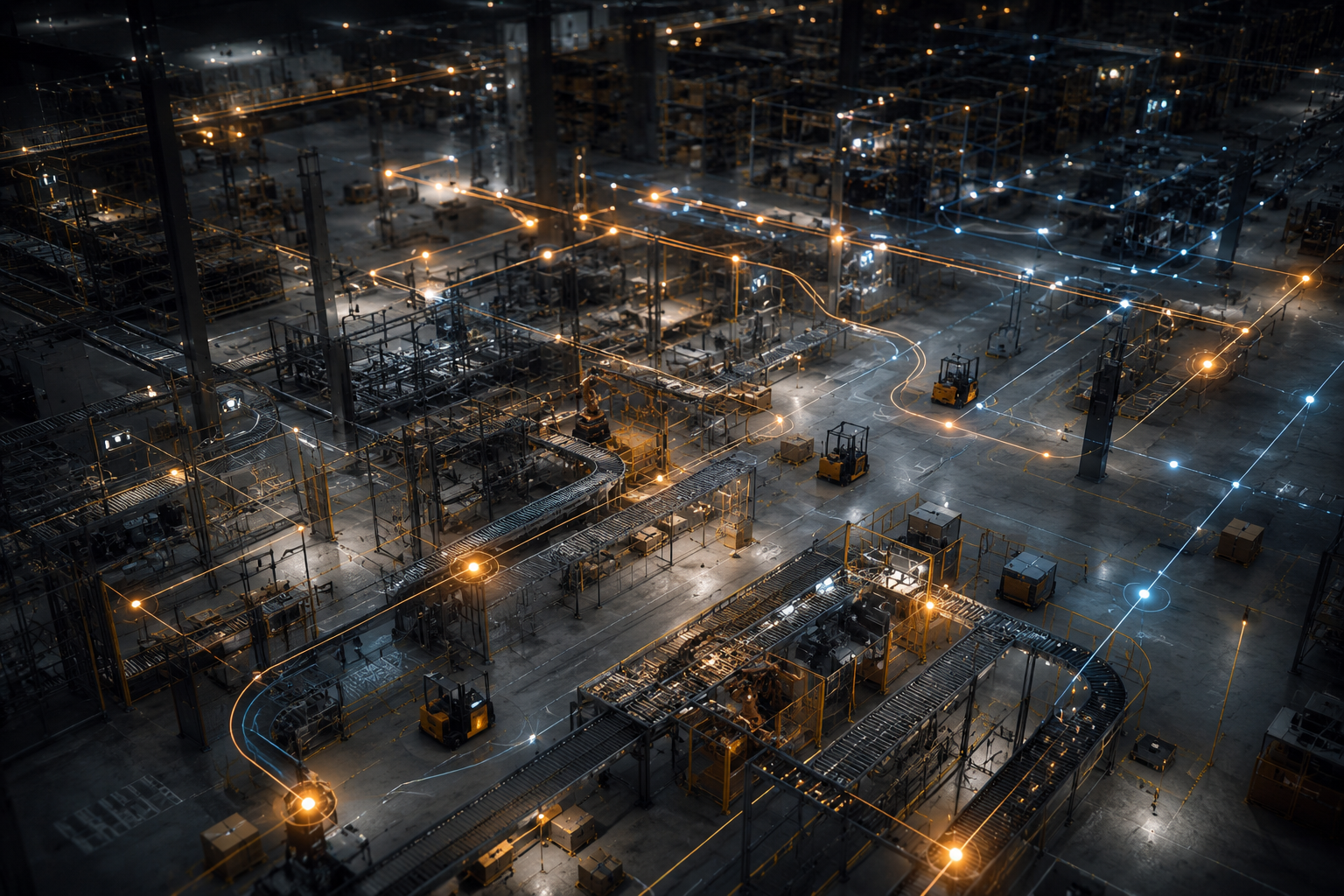
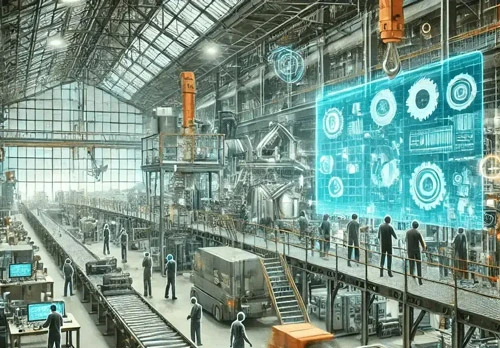
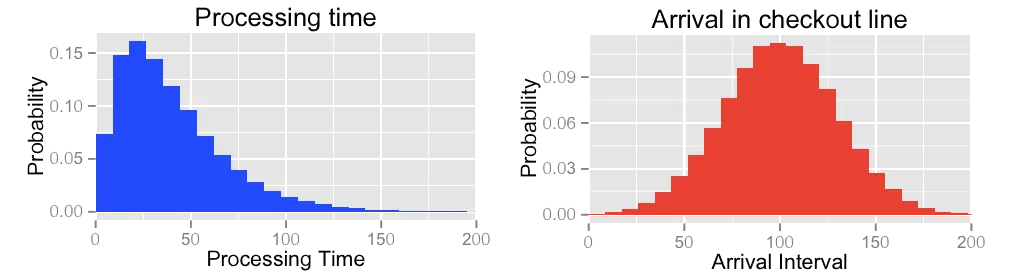
Discrete Event Simulations model complex operational systems that depend on sequences of events, resources, constraints, and decisions over time. At deepmath, DES supports industrial workflows by representing logistics, maintenance, production flows, scheduling, resource allocation, and operational planning as dynamic event-driven systems. This makes it possible to test scenarios, reveal bottlenecks, compare operating strategies, quantify uncertainty, and develop statistics-based digital twins that turn complex operational behavior into measurable insight for faster and better decision-making.

Methods
Artificial Intelligence
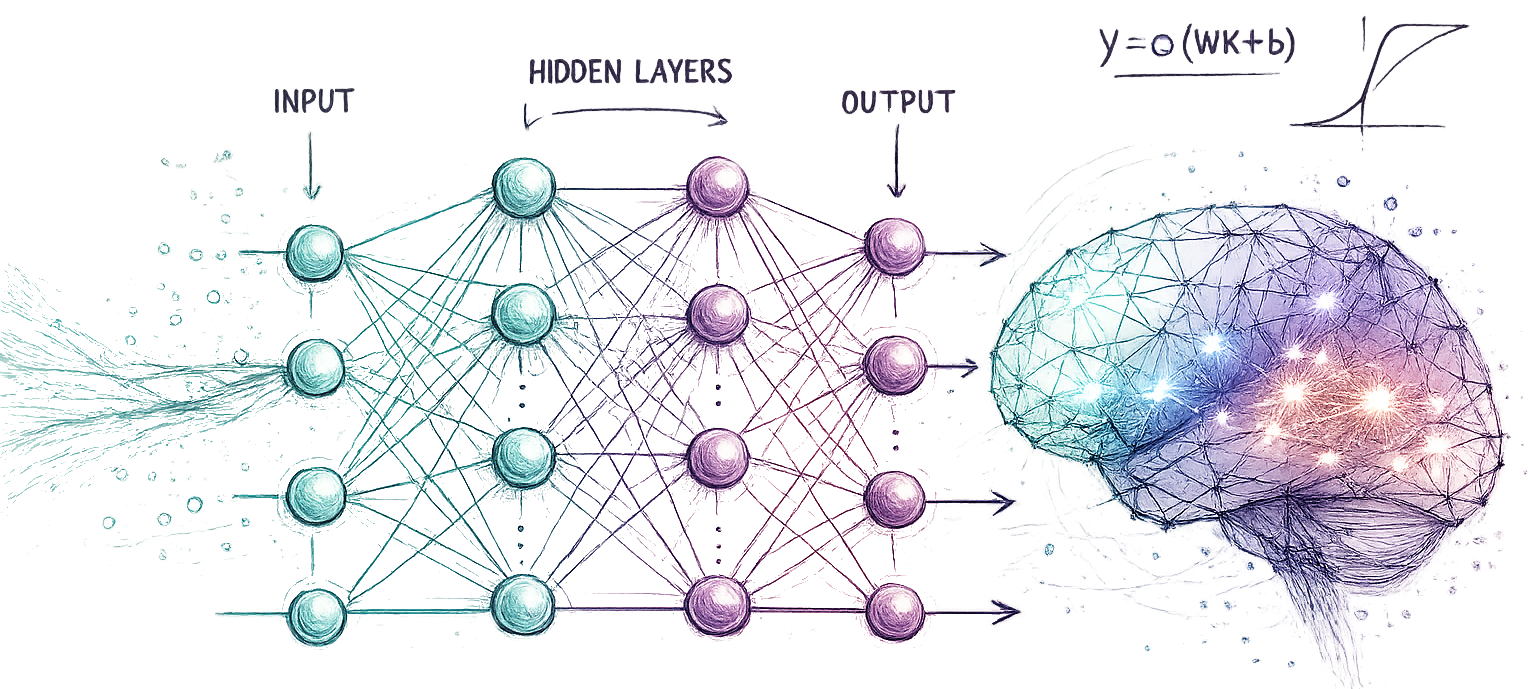
Artificial Intelligence is becoming a powerful layer in engineering simulation when it is grounded in physics, numerical evidence, and expert knowledge. At deepmath, AI is used to accelerate complex simulation workflows, learn from high-fidelity results, support predictive models, and reduce repetitive engineering effort. Rather than replacing physics-based methods, AI strengthens them by connecting simulation data, design parameters, and domain constraints into reusable models that help engineers explore alternatives faster and move toward more responsive digital engineering tools.
Workflow
How a Typical Project Runs
No two engineering problems are alike. Every project is crafted around your asset, your data, and the decisions you need to make. The framework below is our general path, adapted to each client, with scope, timeline, and budget agreed ad hoc.
-
Scoping
We frame the problem together: objectives, success criteria, available data and geometry, operating constraints. You receive a tailored proposal, with scope, timeline, and budget agreed up front, case by case.
-
Model Setup
Geometry and CAD preparation, meshing, boundary conditions, and calibration against your data: a numerical laboratory built around your specific asset.
-
Simulation & Analysis
High-fidelity FEM, CFD, discrete-event, and AI-driven runs, with verification, validation, and uncertainty quantification at every stage.
-
Iteration With You
Scheduled checkpoints where results drive decisions: design variants, what-if scenarios, refinements. The loop runs until your question is answered.
-
Delivery & Handover
A complete technical report, datasets, and models, with follow-up support so the results keep working inside your team.
Each step flexes to the project: some engagements are a short feasibility study, others a long-running digital-twin partnership. The path is the same; the depth is yours to choose.
Applications
Marine Engineering & Environment
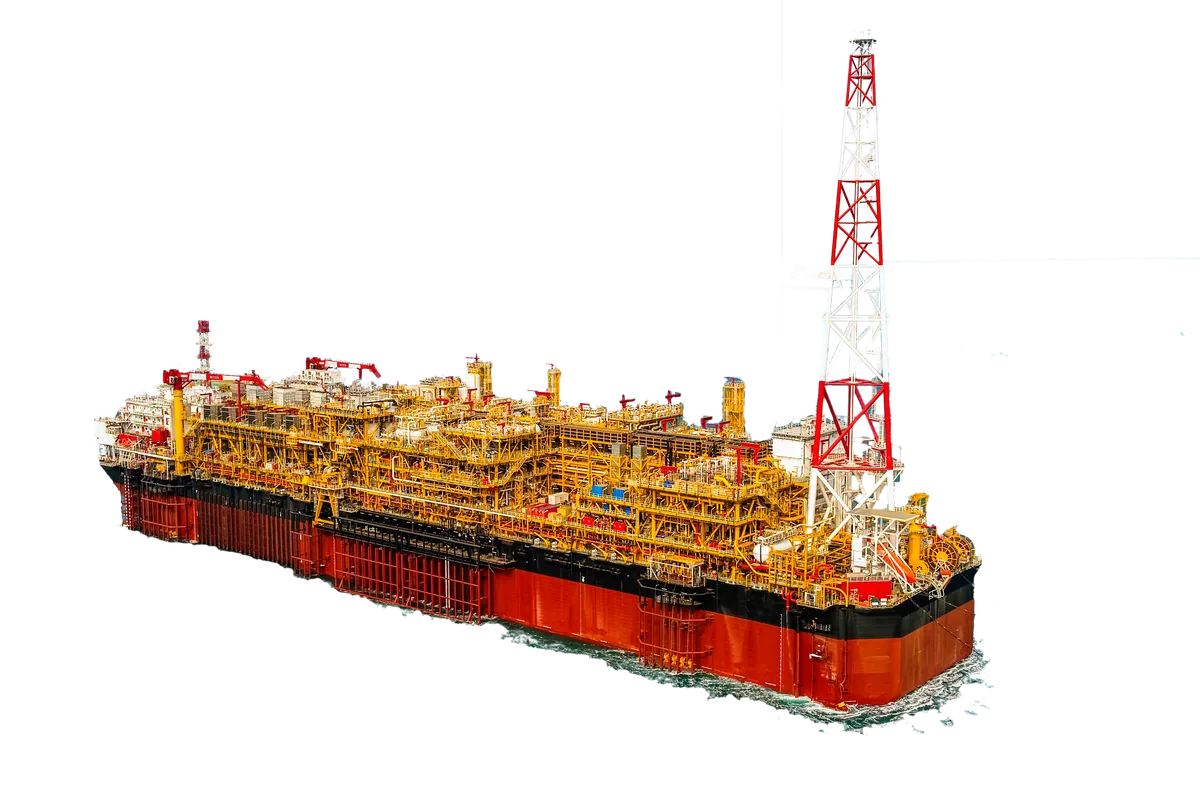
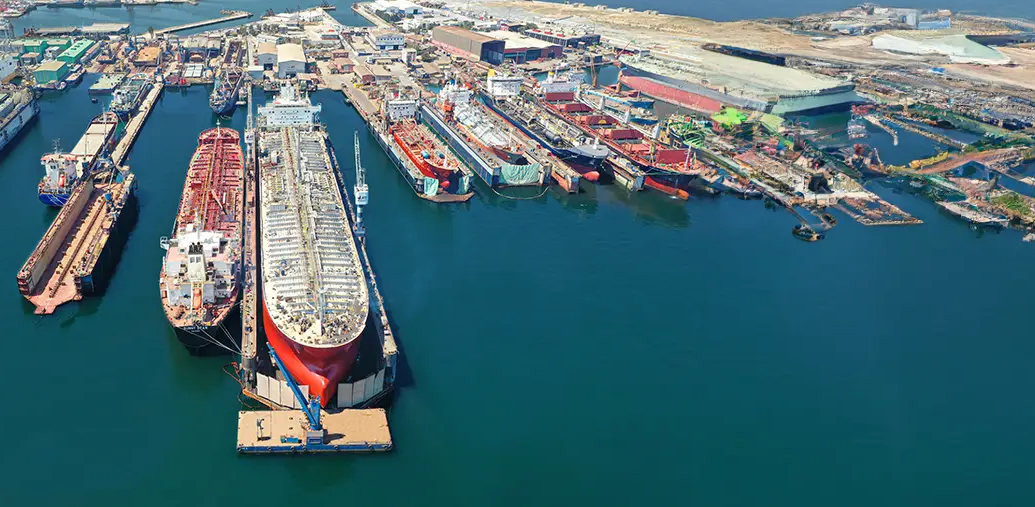
Marine engineering depends on understanding how vessels, offshore assets, and coastal systems behave under complex sea states, operational constraints, and environmental pressures. At deepmath, we support marine design and decision-making through CFD, FEM, DES, hydrodynamic modeling, viscous and potential numerical wave tanks, data processing, and AI-enhanced simulations. These tools can be used to optimize design and operation, including seakeeping, maneuvering, resistance, propulsion, wave-structure interaction, structural integrity, emissions, operational efficiency, and logistics.
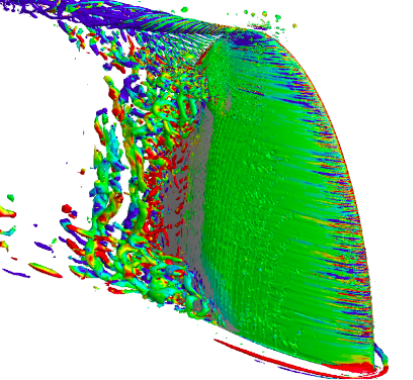
Hydrodynamic Performance
Studying seakeeping, maneuvering, resistance, propulsion, and wave-structure interaction.
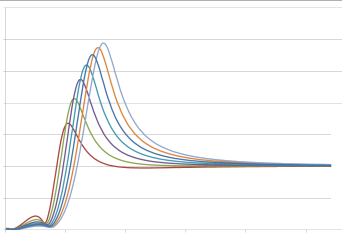
Numerical Wave Tank

Simulating marine and offshore systems under realistic sea states and operating conditions.
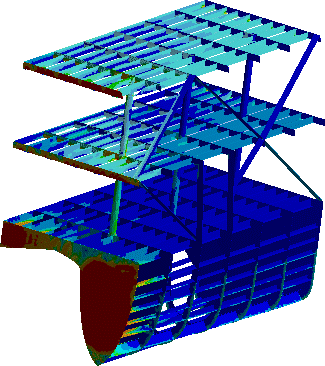
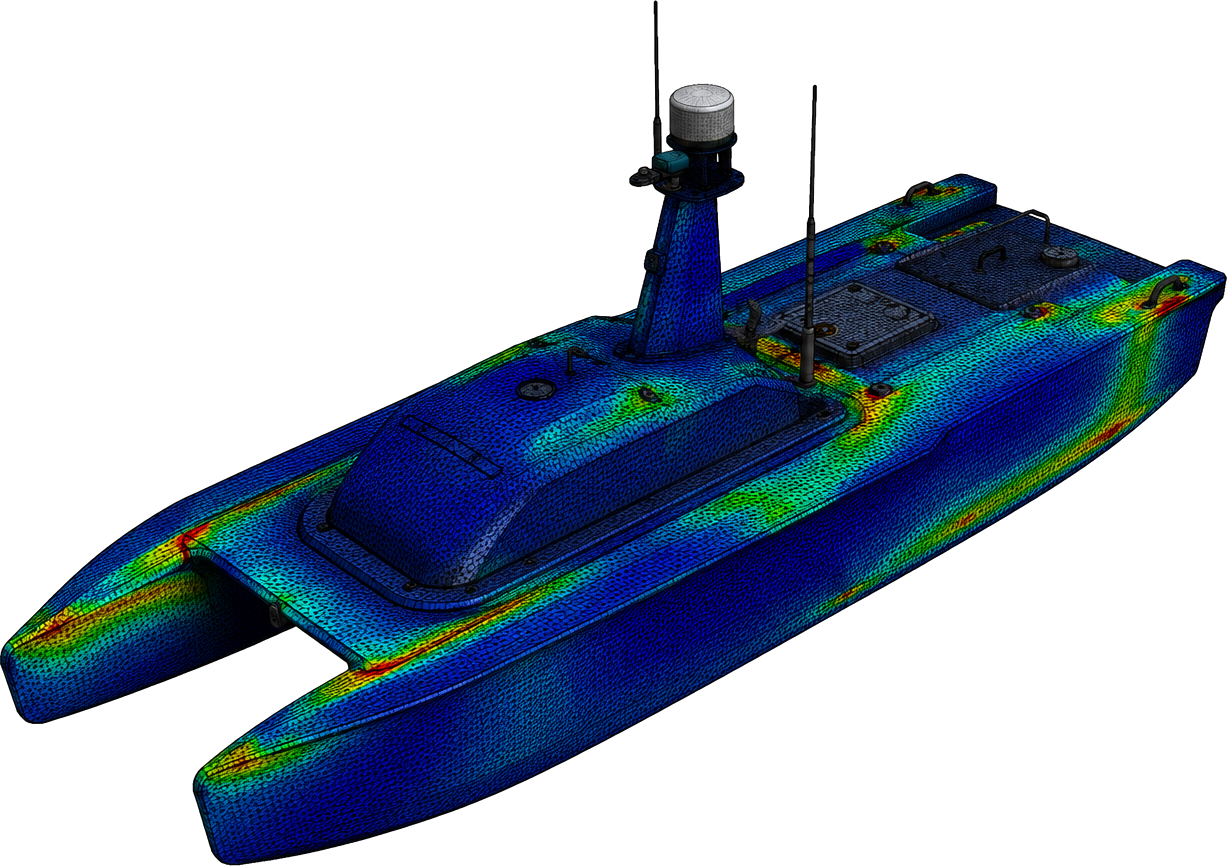
Structural Integrity
Assessing vessels, offshore assets, and coastal systems under coupled environmental loads.
Environmental Impact
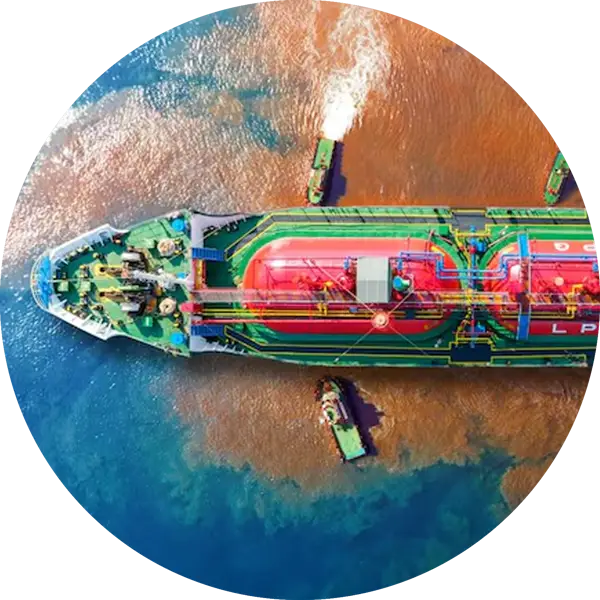
Evaluating marine operations and offshore activities under environmental and regulatory constraints.
Design Optimization
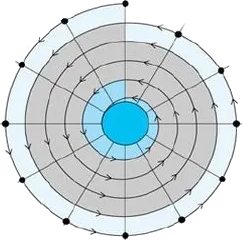
Optimizing vessel, offshore asset, and marine system designs across performance, efficiency, reliability, and environmental constraints.
Operational Optimization
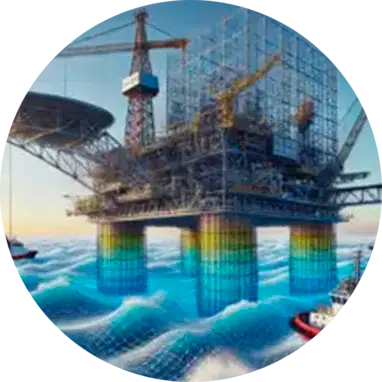
Improving efficiency, emissions, logistics, and operating strategies using simulation and DES.
Applications
Offshore Wind
Offshore wind projects require reliable prediction of coupled aerodynamic, hydrodynamic, structural, and operational behavior over very large periods. At deepmath, we combine high-fidelity simulations, field data, data processing, AI, and advanced numerical methods to support turbine, foundation, and wind-farm engineering. These workflows can help assess fatigue, structural integrity, environmental loads, and performance, while load-case clustering and model reduction can improve the use of large simulation datasets, accelerate design studies, and enhance lower-fidelity high-performance models.
Coupled Load
Analysis
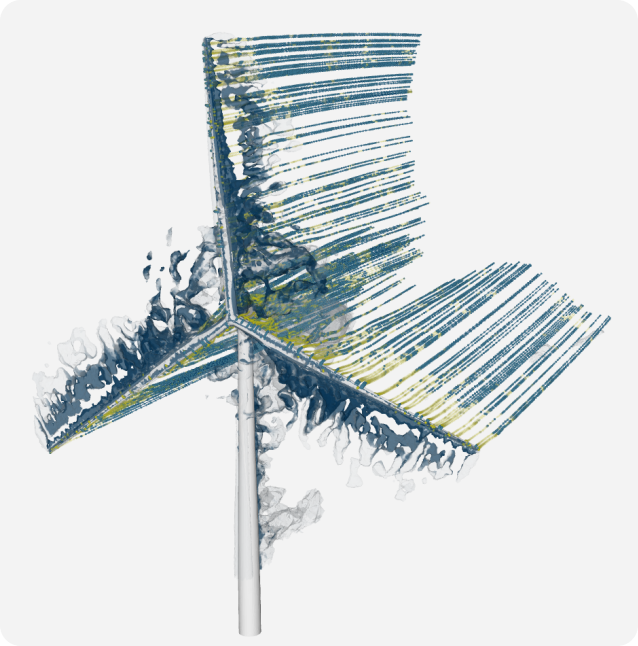
Modeling aerodynamic, hydrodynamic, structural, and operational loads over long time periods.
Fatigue & Structural
Integrity
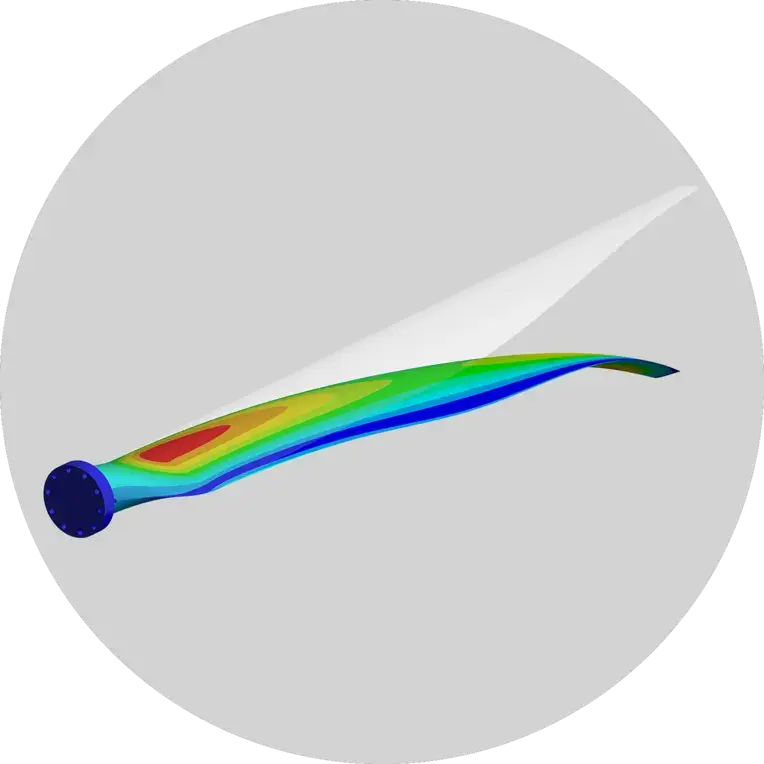
Assessing turbine, blade, foundation, and support-structure behavior under repeated loading.
Load-Case
Clustering
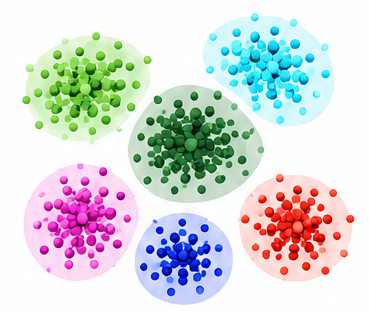
Organizing large simulation and field datasets into representative engineering scenarios.
Model Reduction
& Calibration
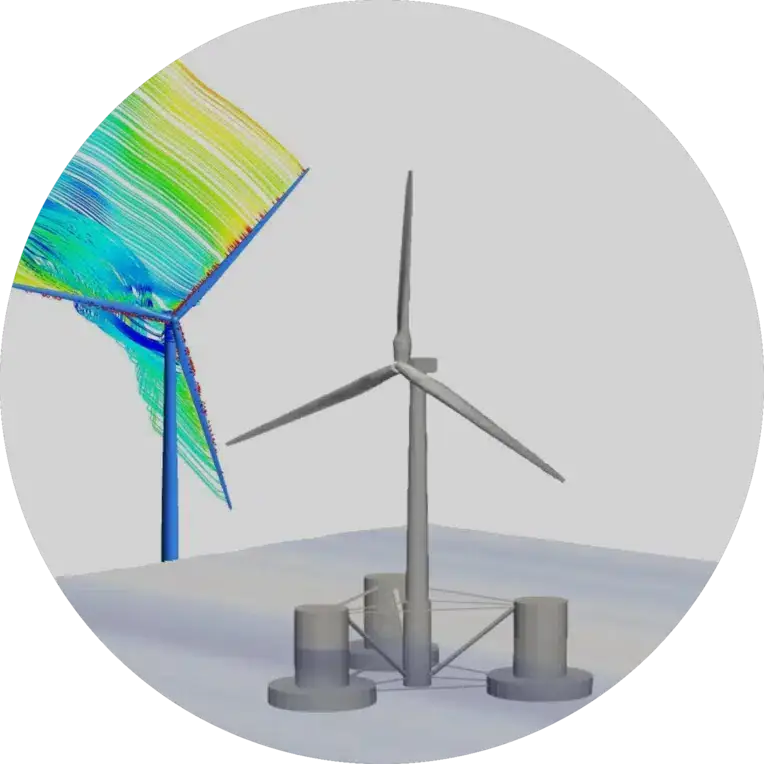
Enhancing lower-fidelity high-performance models using high-fidelity simulations and field data.
Wind-Farm
Optimization
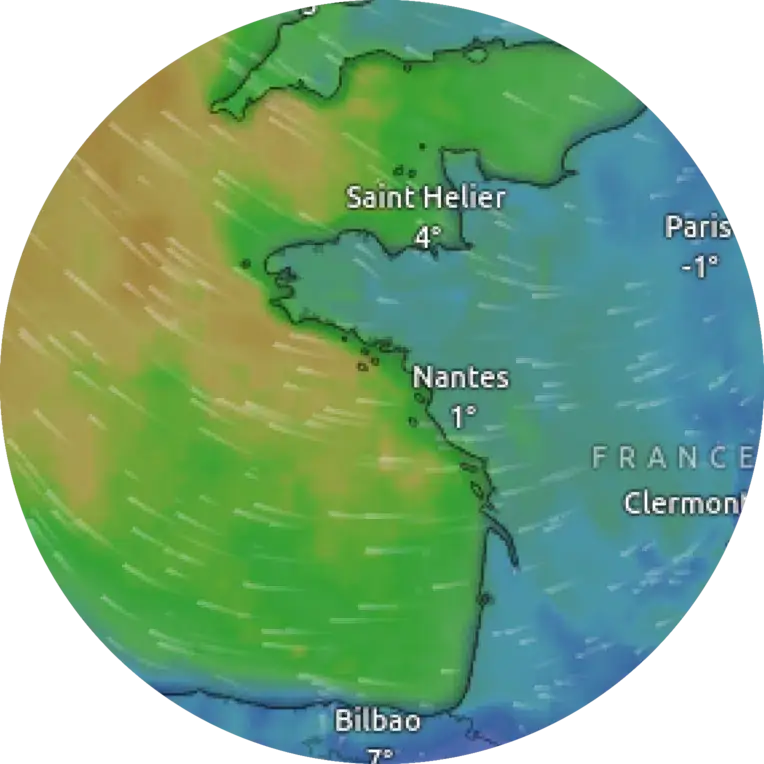
Supporting layout, operation, and performance decisions across turbine and farm scales.
Digital-Twin
Workflows
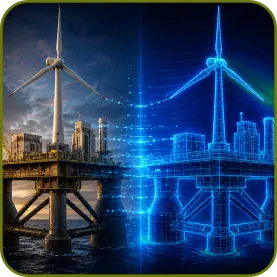
Connecting simulation and field data to support monitoring, prediction, and operational decisions.
Applications
Offshore Solar
By combining many floating bodies, panels, connectors, mooring, and environmental loads into a single system, offshore solar is affected by complex and nonlinear hydrodynamic behavior. At deepmath, we support the development of floating solar through high-fidelity simulations, viscous and potential numerical wave tanks, multi-body hydrodynamic modeling, data processing, and reduced-order approaches. This makes it possible to study system behavior, calibrate faster engineering models, support digital-twin workflows, and guide design or operational decisions under realistic offshore conditions.
Multi-Scale, Multi-Body,
Multi-Physics
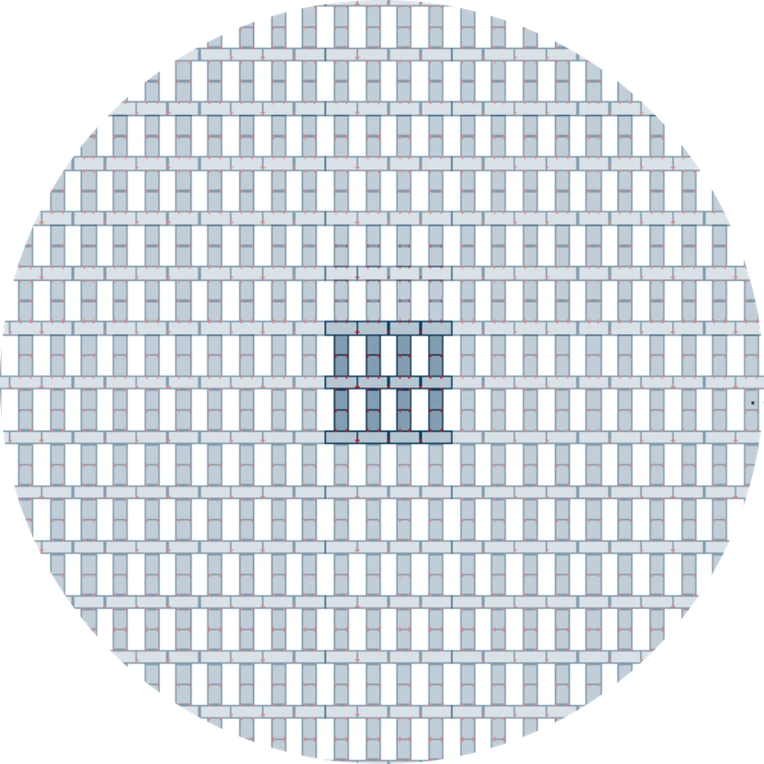
Modeling interactions between floating bodies, panels, connectors, mooring, and environmental loads.
Viscous & Potential
Wave Tanks
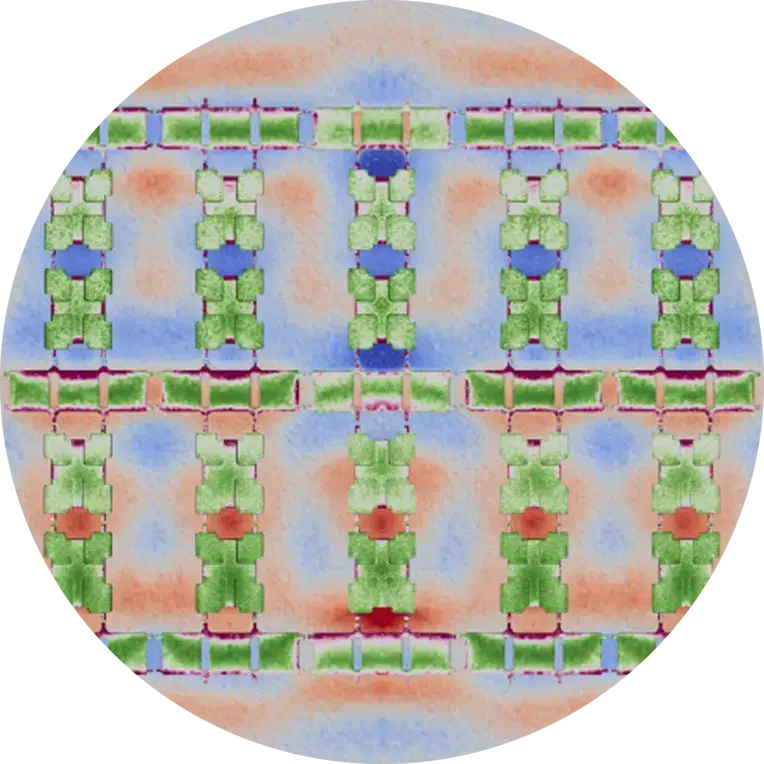
Combining high-fidelity CFD and faster hydrodynamic models to study offshore conditions.
Model Calibration
& Reduction
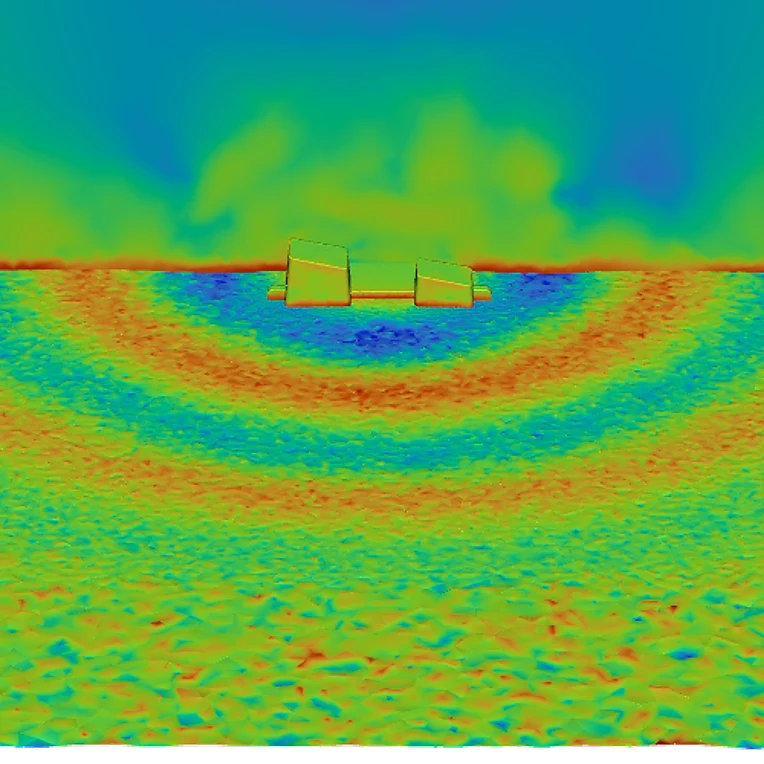
Using detailed simulations and data to calibrate faster engineering models for large systems.
Digital-Twin
Workflows
Supporting monitoring, optimization, and operational decisions for floating solar systems.
Design & Operation
Optimization
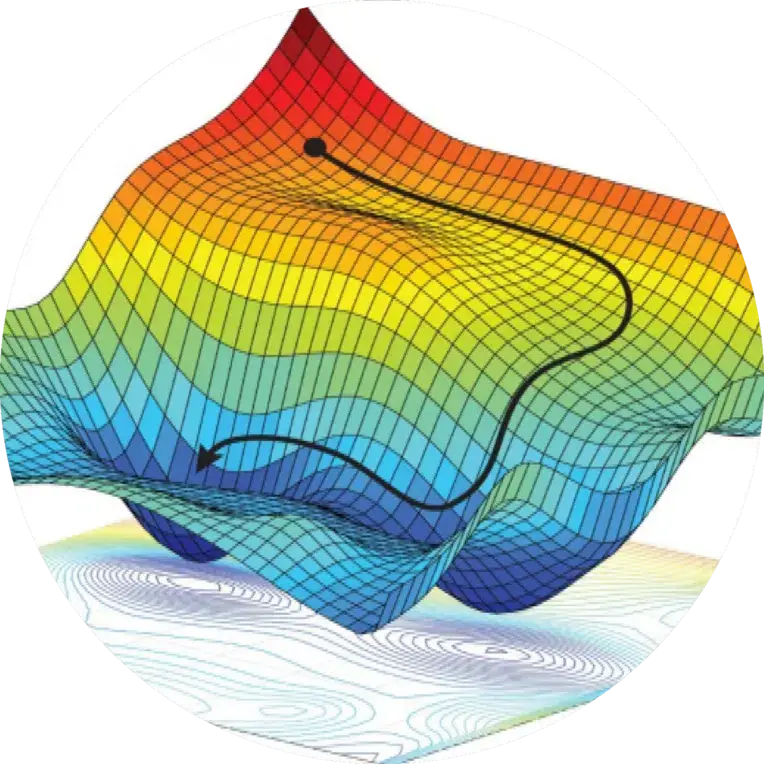
Comparing design layouts and operating scenarios to improve performance and reliability.
Data Processing
& Monitoring
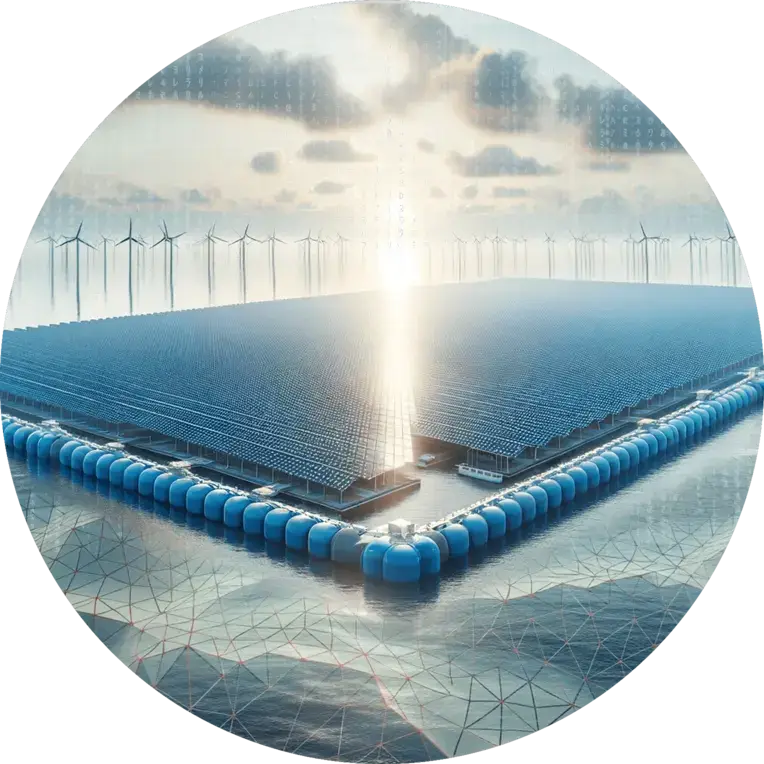
Preparing simulation and operational data for calibration, monitoring, and decision workflows.
Applications
Consulting & Innovation
Innovation at deepmath means working closely with companies, SMEs, startups, and research partners when standard engineering workflows are not enough. We bring together mathematical modeling, high-fidelity simulation, field-data analysis, AI-enhanced workflows, model reduction, and custom software development to transform complex technical challenges into practical engineering solutions.
We provide scientific and technical consulting on technical feasibility, engineering research planning, and the assessment of simulation methods, mathematical models and software approaches. Engagements can include feasibility studies, technical assessment reports and development recommendations. Contact us to discuss your project.